


Saddle Rider Research Collective
Designs and downloads
Practical, open designs for players, luthiers and curious makers. Browse the collection, choose the right dimensions and open the original file folder.
Free designs · Creative Commons Attribution
These Saddle Rider designs are shared under Creative Commons Attribution (CC BY). You may use and adapt them, including commercially, with credit to SaddleRider.com. Keep any license and attribution information supplied with the files.
Printable designs
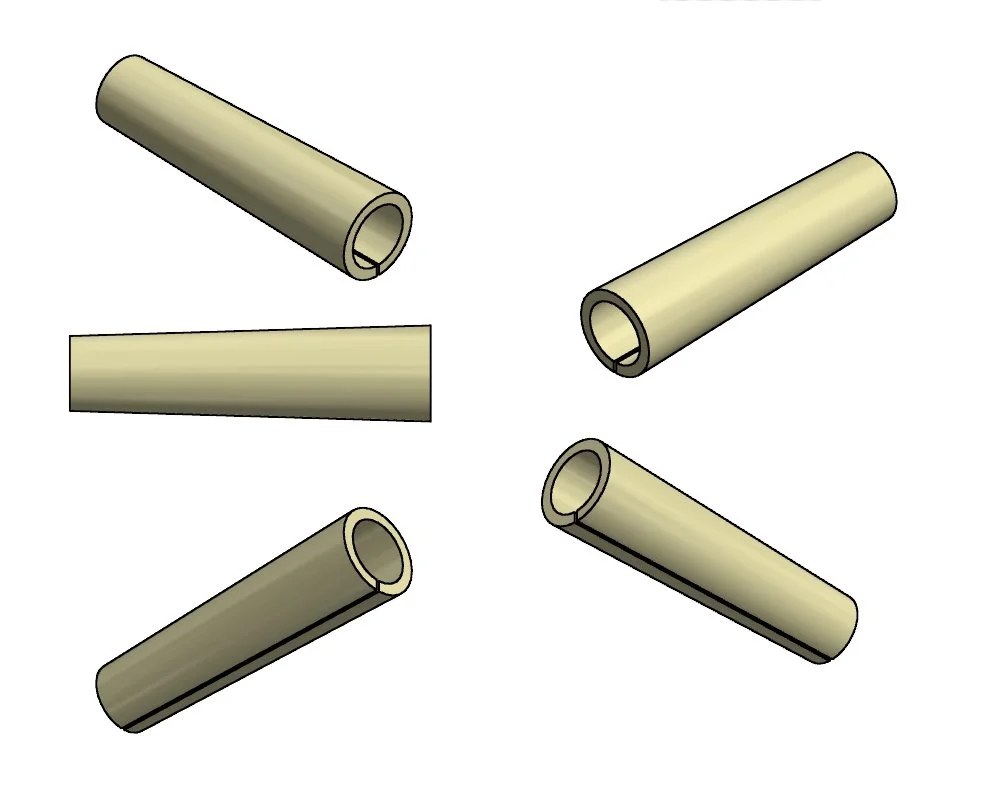
Endpin installation shims
Choose a tapered shim by base diameter, length and centre-hole size. The library includes cello, double bass and oversized fittings.

Soundpost gauges
Three instrument-specific gauges for recording the position of a soundpost and tracking setup changes.

Tailgut spacers
Spacers in 1 mm increments for experimenting with afterlength. Open the folder for the available dimensions.
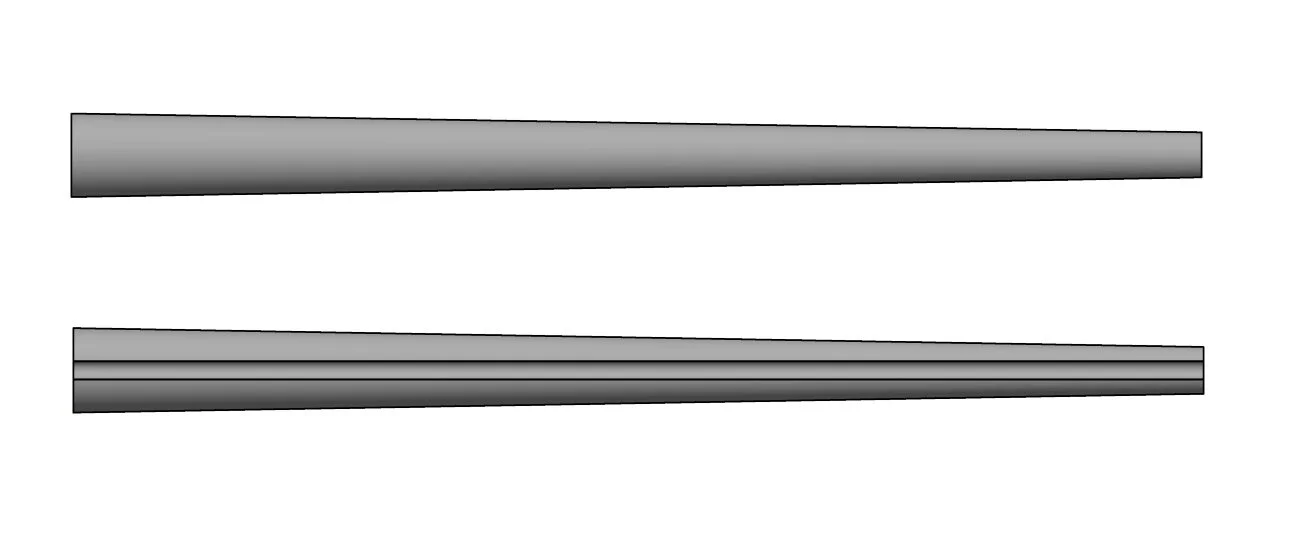
Saddle Rider installation plug
A printable replacement installation plug for the violin and viola adjustable-height saddle.

Coin-weighted wolf mute
A combined mute and coin-weighted wolf eliminator. Check the 15 mm clip spacing against your strings before printing; the design accepts a US nickel.

Magnet installation tool
The double bass version of the Safe Magnet Installer for positioning the compatible magnetic wolf resonator components.
Choose your endpin shim size
File names describe base diameter × shim length × centre-hole diameter. The source library recommends a base approximately 1 mm larger than the instrument’s reamed hole so the shim can be trimmed to fit. Centre holes correspond to 18, 20, 22 and 24 mm or 1-inch shafts and are nominally 0.1 mm undersized for a snug fit. Check the specific file dimensions before printing.
Each link opens a size folder on Google Drive. Choose the actual length, bore and available format inside that folder. The 28.5 mm folder currently lists OBJ and STP files; other folders may also offer STL.
Cello · 22.5–28.5 mm base diameter
Double bass · 29–34 mm base diameter
Long shims · specific length & bore combinations
- 27.5 mm base · 106 mm long · 19.9 mm bore
- 28 mm base · 115 mm long · 19.9 mm bore
- 29 mm base · 153 mm long · 17.9 mm bore
- 29 mm base · 132 mm long · 19.9 mm bore
- 32.5 mm base · 156.5 mm long · 21.9 mm bore
- 32.5 mm base · 121.5 mm long · 23.9 mm bore
- 32.5 mm base · 86.5 mm long · .996 inch bore
- 34 mm base · 136 mm long · 17.9 mm bore
- 34 mm base · 119 mm long · 19.9 mm bore
Illustrated PDF instructions
The 2026 quick-release Kevlar tailgut method is available as an illustrated PDF. Read the full sequence before using the knot, including how the loose ends are secured.
File formats & getting started
STL
A mesh format commonly used in 3D-printing slicers.
OBJ
A mesh format for viewing and use in compatible modelling or printing software.
STP / STEP
A CAD exchange format for compatible CAD software and manufacturing services.
Formats vary by design. The current tailgut spacer folder contains STP files; check that your software accepts the selected format. For a complete folder, use Google Drive’s Download option; individual files can also be downloaded from inside the folder.
- Download the design on a computer when possible and keep the accompanying file names and notes.
- Confirm units, final dimensions and the intended instrument before printing.
- Choose material and print settings appropriate to the component and your printer. A local makerspace or printing service can help if you do not own a printer.
- Check the finished part’s fit and finish before installation. For fitting questions, contact us with the design name, dimensions and a photograph.
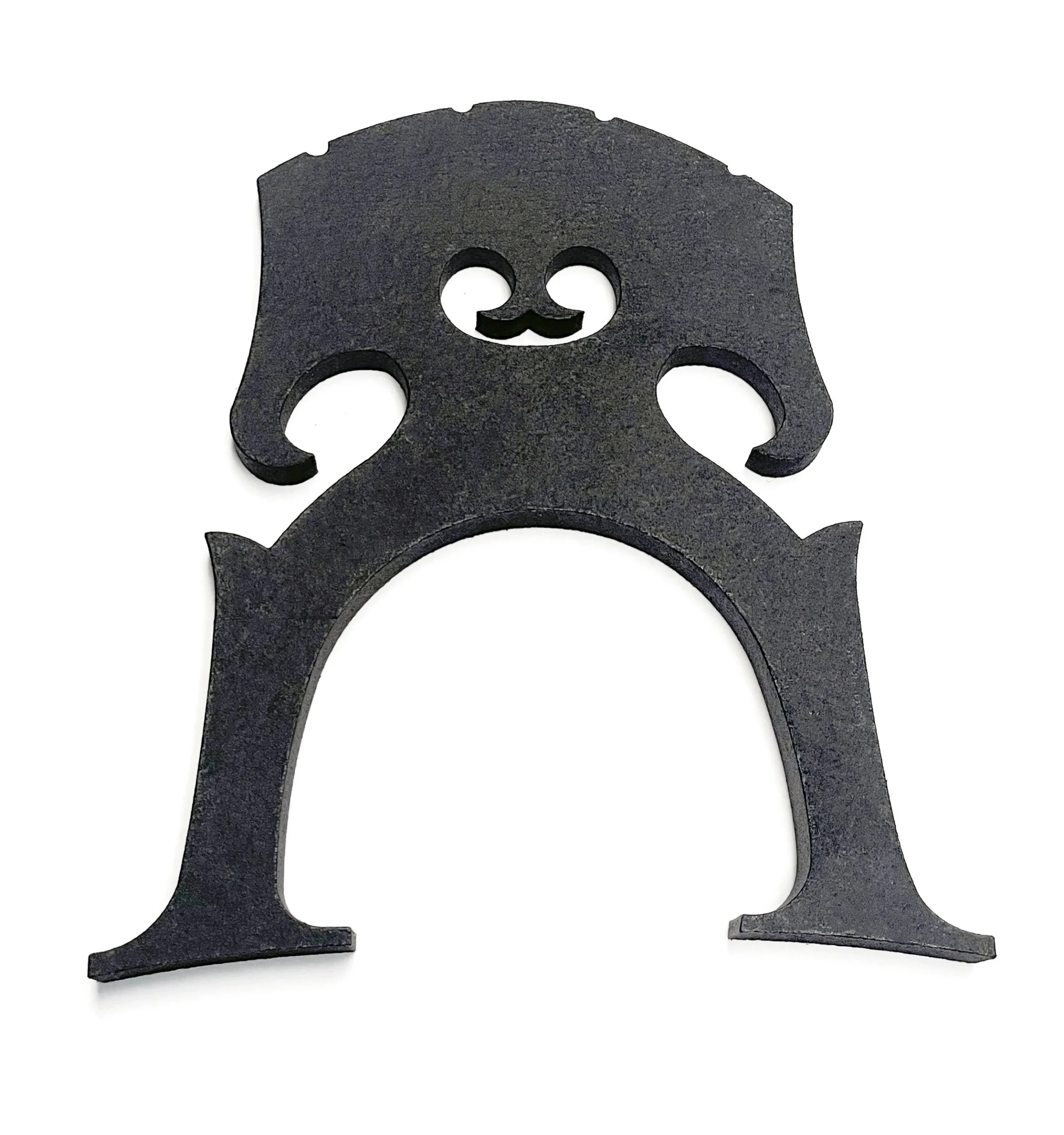
Composite bridge research
Follow the Collective’s work on 3D-printed bridges, sound comparisons and new materials. This project is presented separately from the downloadable parts library.
Need a hand choosing a file?
Send us the design name and the dimensions you need. We can help you identify the relevant folder or installation guide.